Creator & UC Berkeley Student
300M+ views
300 million views from a dorm room
How a student creator lands interviews with top VCs and founders, then gets them scheduled.
How Viraj works
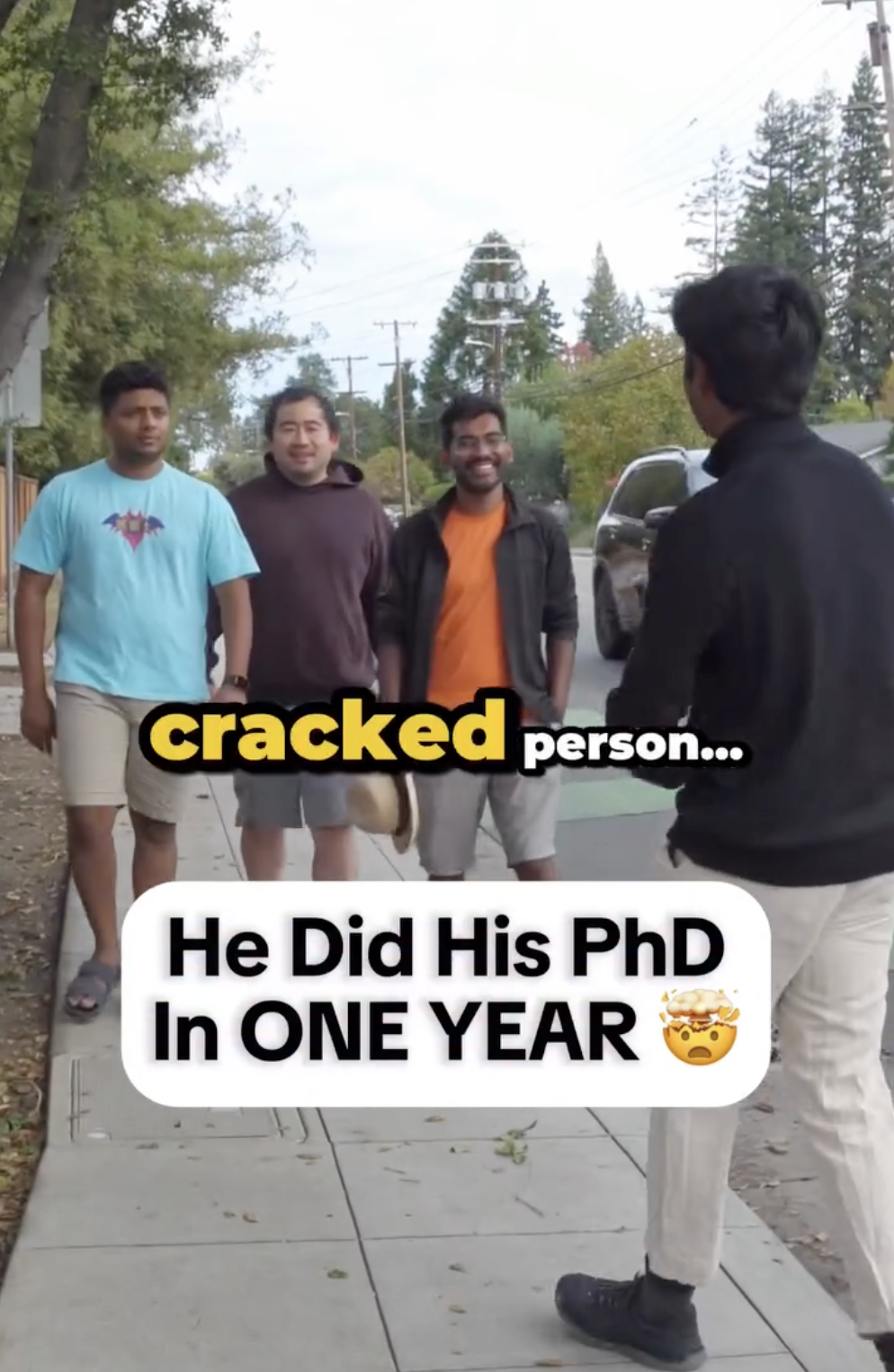
Viraj runs a tech interview channel from his dorm room at UC Berkeley. He's interviewed Tim Draper (Founder, Draper Ventures), Brian Halligan (CEO, HubSpot), Ann Miura-Ko (Founder, Floodgate), Vinay Hiremath (Cofounder, Loom), plus founders and executives across the YC ecosystem. His videos have reached 300 million views, a scale that most established outlets would envy.
The operation runs like this: he books 25+ interviews a month, mostly clustered around trips to NYC, SF, and occasionally other cities. Each interview requires weeks of coordination. Initial outreach. Confirming interest. Finding a date. Coordinating schedules. Figuring out locations. Following up when plans change. Reconfirming the week before. At any given time, he has 10 to 15 active scheduling threads going. Some are final confirmations, some are new outreach, and some are people who need to reschedule.
The work is professional grade. He travels for in person shoots, sends polished final cuts for approval, and maintains production quality that gets top tier people excited to participate.
But before any of that happens, he needs to actually schedule the interview. And he's dealing with some of the busiest people in tech, including VCs evaluating dozens of companies, founders running hypergrowth startups, and executives juggling board meetings and product launches. These aren't people who respond to every email. They have EAs filtering requests. Their calendars are booked weeks out. A scheduling thread might span 15+ emails over three weeks.
The scheduling coordination happens over email. Back and forth about availability. Checking if they can do NYC or if he needs to fly somewhere else. Confirming locations, times, whether they need a studio or an office works. Following up without being annoying. Making sure nothing falls through because someone forgot to respond. When you're trying to line up five interviews during a three day NYC trip, you're managing five parallel scheduling threads, each with its own timeline and dependencies.
The volume adds up fast. All of it happens in his inbox, mixed in with everything else, including class assignments, club emails, and messages from friends. If someone responds at 2pm saying they can do Thursday at 3pm but you don't see it until 9pm because you were in class, there's a real chance they've already committed that slot to someone else.
When you're a student creator trying to coordinate with C suite executives and venture partners, every email matters. You can't afford to miss a response or let a thread go cold because you didn't follow up at the right time.
The bottleneck wasn't getting the yes. Viraj's work speaks for itself. The bottleneck was managing the logistics once they said yes. Keeping track of who's waiting on what, when to follow up, making sure travel plans align with their availability. Remembering that the VC partner needs to reschedule from Tuesday to Wednesday, which conflicts with the founder shoot that's already confirmed, which means reaching back out to see if Thursday works instead.
That's where Slashy came in. Now the coordination happens automatically. Draft follow ups when someone hasn't responded. Surface the threads that need attention. Keep track of which interviews are confirmed and which are still in scheduling limbo. When he's in lecture, Slashy is tracking responses. When he's traveling, the scheduling threads don't pile up. The professional operation he built doesn't get held back by inbox management.
"I can't have an interview fall through because I forgot to follow up or missed an email. These people are doing me a favor by making time. Slashy makes sure nothing slips."
The professionalism challenge
When you're a student competing with TechCrunch, The Information, and established podcasts, every interaction counts. A missed follow up or delayed response doesn't just cost you one interview. It affects how seriously people take you for future opportunities. These people get pitched constantly. Major publications want them. Established podcasts want them. They're choosing to say yes to a student because the content is good and the audience is engaged. But that goodwill evaporates fast if the coordination is sloppy.
The perception game is real. When a VC partner's EA sends an email with three potential time slots, they expect a response within a few hours, not two days later. When travel plans need to change because a board meeting got moved, they expect the kind of flexibility and quick turnaround that comes from having a team managing logistics. They don't know (and shouldn't have to know) that Viraj is one person doing this between CS lectures and club meetings.
The VCs and executives Viraj books don't know (or care) that he's coordinating shoots between lectures and problem sets. They expect the same responsiveness they'd get from a professional media operation. That means timely follow ups, organized communication, and never dropping the ball on scheduling. If you take three days to respond to a scheduling question because you were studying for midterms, that partner probably isn't going to make time for you again.
Slashy levels that playing field. From the outside, the coordination looks as polished as any established outlet. Quick responses to availability questions. Organized follow ups when travel plans change. No awkward gaps where someone had to send a second email because the first one got buried. Zero instances of "sorry, I missed your email from last week." It's not about faking professionalism. It's about having the tools to actually be professional at scale, even when you're one person.
"Nobody knows I'm doing this from campus. The coordination looks professional because it is professional. That matters when you're trying to book people who get pitched by major publications every day."
What changed
Scheduling used to take up hours every week. Now it happens in the background. Viraj can focus on the actual work: researching guests, planning questions, coordinating shoots, and editing footage. The inbox doesn't require constant attention anymore.
Before
- › Manually tracking every scheduling thread
- › Setting reminders to follow up
- › Missing responses while traveling for shoots
- › Anxious about letting opportunities slip
After
- › Slashy drafts follow ups automatically
- › Never miss a response on mobile or laptop
- › All scheduling threads in one place
- › Inbox anxiety completely gone
The interview pipeline doesn't bottleneck on coordination anymore. When he's planning a trip to NYC, he can line up multiple shoots without drowning in scheduling emails. When he's on campus between classes, he's not worried about missing a response from someone he's been trying to book for months.
TL;DR
No more drowning in scheduling threads. Slashy handles the coordination automatically. He focuses on the interviews, not the inbox.